A practical guide to gastric bypass surgery and the decisions around it
Gastric bypass can produce substantial, durable weight loss and improve certain obesity-related conditions, but it permanently changes digestion and requires lifelong follow-up. This guide explains the operation without minimizing its risks or presenting surgery as the right answer for everyone. After bariatric procedures, protein intake, lifelong nutritional monitoring and prescribed vitamins are part of treatment—not optional extras.
What gastric bypass changes
Roux-en-Y gastric bypass creates a small stomach pouch and connects it to a lower section of the small intestine. Food therefore bypasses most of the stomach and the first portion of the small intestine.
The operation limits meal size and changes signals involved in hunger, fullness and blood sugar regulation. It also reduces absorption of some nutrients, which is why prescribed vitamins and laboratory monitoring remain necessary long after the incisions heal.
- Meals become much smaller, especially during early recovery.
- High-sugar foods can trigger dumping symptoms such as cramping, nausea, diarrhea, sweating or a rapid heartbeat.
- Medication absorption can change, particularly with extended-release products.
- The anatomy is difficult, though not always impossible, to reverse.
Potential benefits and realistic expectations
Many patients lose a large share of their excess weight during the first 12 to 18 months. Results vary with starting weight, medical conditions, eating patterns, physical activity, medications and follow-up participation.
Type 2 diabetes, high blood pressure, sleep apnea, mobility limitations and fatty liver disease may improve. Improvement is not the same as a guaranteed cure, and some conditions can recur if weight is regained.
- Ask a program to explain outcomes using both total weight loss and excess weight loss.
- Request its rates of complications, readmissions and follow-up completion.
- Discuss what success would mean beyond the scale, such as lower medication use or improved mobility.
Weight regain can happen
Some regain after the lowest postoperative weight is common. Larger regain deserves evaluation for eating patterns, medication effects, mental health needs or anatomical problems rather than blame.
Supplements for Gastric Bypass

LivPure
LivPure brings together silymarin, berberine, betaine and choline in a formula aimed at liver wellness, energy metabolism and cellular antioxidant defense. Berberine is included for metabolic wellness, while milk thistle and glutathione focus on liver and cellular antioxidant support. For gastric bypass, the current supplement ingredients require bariatric-team approval during recovery and long-term follow-up.

Ikaria Juice
The Ikaria Juice drink mix contains turmeric, milk thistle, green-tea extract and fruit polyphenols, plus fiber and probiotics for gut balance. Prebiotic inulin and the probiotic blend address digestive balance, while green tea and citrus pectin add distinct botanical and fiber components. After gastric bypass, prebiotic fiber and probiotic additions should be discussed with the bariatric dietitian as digestion changes.
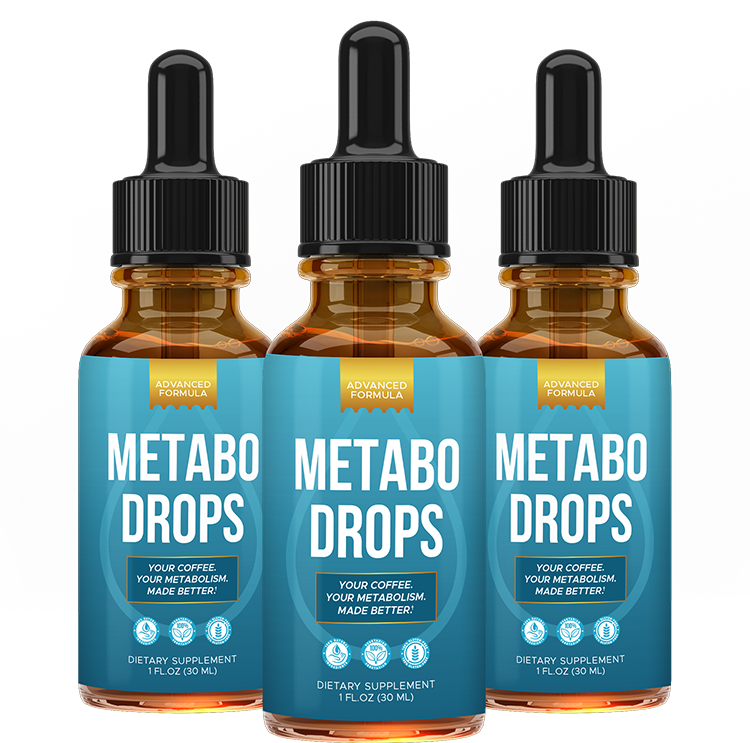
Metabo Drops
Metabo Drops is a coffee-mix formula combining chromium for normal macronutrient metabolism with chlorogenic acid, green tea, L-carnitine and L-theanine. Chromium contributes to normal macronutrient metabolism, L-carnitine participates in fatty-acid transport, and L-theanine supports calm focus with coffee. Following gastric bypass, caffeine tolerance and altered nutrient needs should be reviewed before adding coffee-mix supplements.

Java Burn
Java Burn mixes into hot or iced coffee and contains green-tea extract, green-coffee chlorogenic acids, L-carnitine, L-theanine, chromium and B vitamins. Chromium and B vitamins contribute to normal nutrient and energy metabolism; the green-tea and green-coffee extracts add polyphenols. Following gastric bypass, caffeine tolerance and altered nutrient needs should be reviewed before adding coffee-mix supplements.
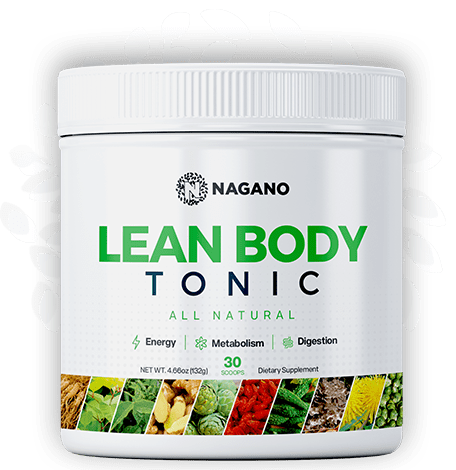
Nagano Tonic
Nagano Tonic is a powdered drink mix made with botanicals and nutrients including camu camu, green-tea EGCG, mangosteen, ginger and inulin. Its formula is promoted for daily metabolic, energy and digestive support; it is not a substitute for balanced nutrition or medical care. When comparing options alongside gastric bypass, review the ingredient label and seller terms before ordering.
Risks worth understanding before consent
Early complications can include bleeding, infection, blood clots, leaks at surgical connections and breathing problems. Later concerns include ulcers, strictures, internal hernias, gallstones, low blood sugar and deficiencies of iron, vitamin B12, folate, calcium, vitamin D or other nutrients.
Risk depends on personal health, smoking status, previous abdominal operations and the experience of the surgical team. A qualified bariatric program should explain both common problems and uncommon emergencies in numbers that apply to its patients. Ask the bariatric team which foods, medicines and supplements need adjustment during each stage of recovery.
- Smoking and nicotine increase ulcer and healing risks.
- NSAID pain relievers may raise ulcer risk after bypass and require specific medical guidance.
- Persistent vomiting can quickly cause dehydration and thiamine deficiency.
- Severe abdominal pain, chest pain, shortness of breath, black stools or fainting require urgent evaluation.
A sensible first consultation
Start with a primary care clinician or an accredited bariatric program. Bring a medication list, prior weight-loss history, insurance information and specific goals related to health and daily function.
A complete evaluation commonly includes surgical, nutritional, psychological and medical assessments. These visits are intended to identify support needs and reduce preventable risk, not simply to test willpower.
- Which operation best fits my reflux, diabetes history and medication needs?
- What lifelong supplements and blood tests will I need?
- Who handles urgent concerns after normal office hours?
- How will my mental health, alcohol use and eating behaviors be supported?
- What expenses might remain after insurance approval?
Frequently Asked Questions
No. Bypass creates a small pouch and reroutes the intestine, while sleeve gastrectomy removes much of the stomach without rerouting the intestine. Their effects on reflux, nutrient absorption, diabetes and complication risks differ.
The pouch and its outlet can enlarge over time, but weight regain is rarely explained by stretching alone. Eating patterns, medications, biology, mental health and anatomical changes may all contribute.
Coverage varies by plan and may require documented eligibility, supervised weight-management visits or use of an approved facility. Confirm the requirements directly with the insurer and surgical program before scheduling tests.