What recovery after gastric bypass requires in the hospital and at home
Recovery is more than waiting for incisions to heal. Patients must protect new surgical connections, prevent dehydration and blood clots, progress food carefully, and establish lifelong nutrition monitoring. Ask the bariatric team which foods, medicines and supplements need adjustment during each stage of recovery.
The first days after surgery
Hospital practices vary, but patients are generally encouraged to walk soon after surgery and begin small amounts of approved liquid. Pain control, breathing exercises and blood-clot prevention are central parts of early care.
Before discharge, the team should provide written instructions for fluids, medications, wound care and emergency contact. Do not restart pills, especially extended-release products or NSAID pain relievers, unless the bariatric team has reviewed them.
- Take frequent small sips rather than drinking a full glass at once.
- Walk as directed and avoid prolonged periods of complete inactivity.
- Use the prescribed blood-clot prevention plan.
- Track fluid intake and urine output if the team requests it.
Food progression protects healing tissue
Programs typically advance from liquids to pureed foods, soft foods and then small portions of regular textures. The exact schedule differs, so a generic online timeline should never override the surgeon's instructions.
Once protein-containing foods are allowed, eat slowly, chew thoroughly and stop at the first sign of pressure or fullness. Drinking with meals may move food through too quickly; follow the program's timing instructions for separating food and fluids.
- Introduce only foods permitted for the current stage.
- Avoid carbonated drinks if the program prohibits them.
- Limit concentrated sugar to reduce dumping symptoms.
- Call the team if swallowing becomes progressively harder or vomiting persists.
Dehydration can escalate quickly
Repeated vomiting, inability to keep liquids down, very dark urine, dizziness or minimal urination needs prompt contact with the surgical team. Waiting for a routine visit can allow dehydration and vitamin deficiencies to worsen.
Recommended Products
When symptoms need urgent attention
Some soreness, fatigue and bowel changes are expected, but severe or worsening symptoms should not be dismissed as normal recovery. Bariatric complications can present differently from ordinary stomach upset.
Call emergency services for severe breathing difficulty, chest pain, fainting or signs of a stroke. Contact the surgical team urgently for escalating abdominal pain, persistent rapid heartbeat, fever, black stools, repeated vomiting or an inability to drink. Ask the bariatric team which foods, medicines and supplements need adjustment during each stage of recovery.
- New calf swelling or pain may indicate a blood clot.
- Redness, drainage or opening at an incision may indicate a wound problem.
- Sudden abdominal pain months or years later can reflect an internal hernia.
- Confusion, weakness or balance problems after prolonged vomiting can signal a serious deficiency.
Lifelong vitamins and laboratory checks
A standard multivitamin from a grocery shelf may not meet bariatric needs. The program should specify the formulation and separate nutrients required based on the operation, diet, laboratory results and other health conditions.
Monitoring commonly evaluates blood counts, iron status, vitamin B12, folate, calcium and vitamin D, with additional testing when symptoms or risk factors warrant it. Deficiencies can develop years later even when a person feels well.
- Keep an updated list of all prescribed bariatric supplements.
- Take calcium and iron at separate times if instructed.
- Schedule laboratory work at the intervals set by the care team.
- Report numbness, unusual fatigue, weakness, bone pain or memory changes.
Returning to ordinary life
Return to work and exercise depends on healing, job demands and complications. Walking usually begins early, while lifting and strenuous activity remain restricted until the surgeon clears them.
Rapid weight loss can affect mood, relationships, body image, fertility and alcohol sensitivity. Pregnancy is generally postponed during the period of rapid loss, often about 12 to 18 months, but the patient's obstetric and bariatric clinicians should set the plan.
- Use reliable contraception discussed with a clinician because pill absorption may change.
- Avoid driving while taking impairing pain medication.
- Seek help for depression, compulsive eating or increasing alcohol use.
- Continue annual bariatric follow-up even after weight stabilizes.
Supplements for Gastric Bypass

LivPure
LivPure combines milk-thistle silymarin, betaine, berberine and glutathione with green-tea compounds to support normal liver function and fat metabolism. Silymarin and glutathione contribute antioxidant support, while betaine and choline are involved in normal liver fat processing. For gastric bypass, the current supplement ingredients require bariatric-team approval during recovery and long-term follow-up.

Ikaria Juice
Ikaria Lean Belly Juice brings together plant antioxidants from green tea, berries and beetroot with prebiotic inulin and probiotic cultures for digestive wellness. Its digestive blend supports beneficial gut organisms and regularity, alongside antioxidant-rich extracts from berries and green tea. After gastric bypass, prebiotic fiber and probiotic additions should be discussed with the bariatric dietitian as digestion changes.
Metabo Drops
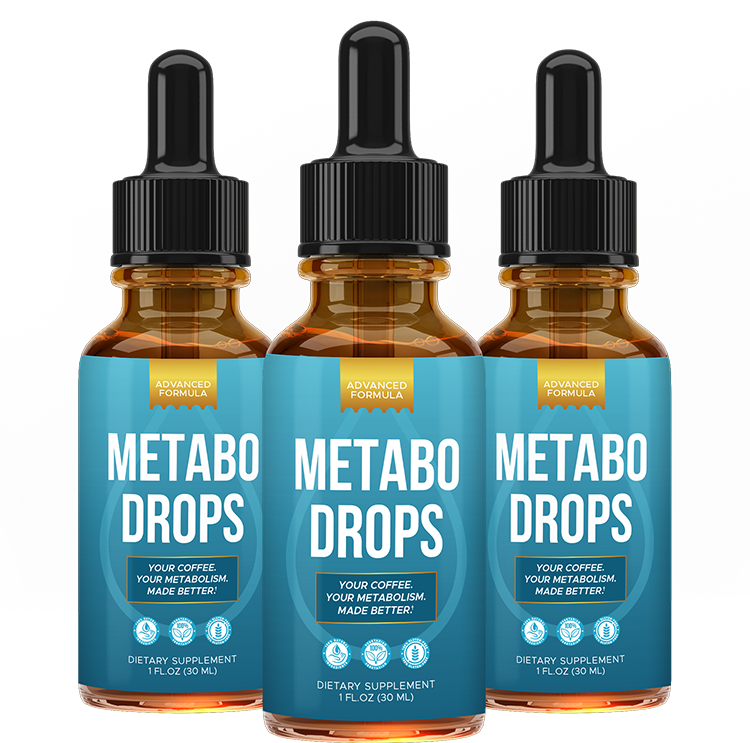
Metabo Drops adds chlorogenic acid, green-tea extract, chromium, L-carnitine and L-theanine to coffee in an easy-to-mix liquid. Chromium contributes to normal macronutrient metabolism, L-carnitine participates in fatty-acid transport, and L-theanine supports calm focus with coffee. Following gastric bypass, caffeine tolerance and altered nutrient needs should be reviewed before adding coffee-mix supplements.

Java Burn
The Java Burn coffee formula brings together green tea, green coffee bean extract, chromium, L-carnitine and L-theanine to support everyday metabolic function and alertness. The formula pairs a coffee-friendly metabolic blend with L-theanine for focus and B vitamins for normal energy-yielding metabolism. Following gastric bypass, caffeine tolerance and altered nutrient needs should be reviewed before adding coffee-mix supplements.
Nagano Tonic
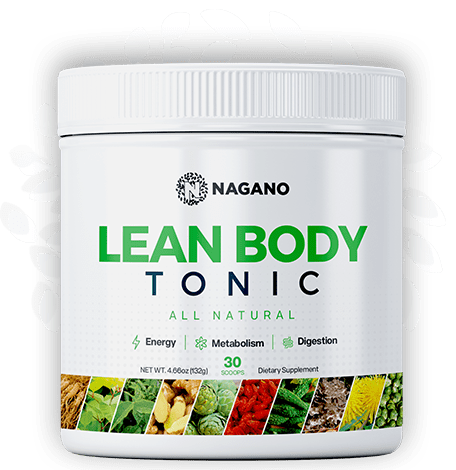
Nagano Tonic is a powdered drink mix made with botanicals and nutrients including camu camu, green-tea EGCG, mangosteen, ginger and inulin. Its formula is promoted for daily metabolic, energy and digestive support; it is not a substitute for balanced nutrition or medical care. When comparing options alongside gastric bypass, review the ingredient label and seller terms before ordering.
Frequently Asked Questions
Early recovery often takes several weeks, but food progression, energy and work readiness vary. Internal healing and adaptation continue longer, so the operating team's restrictions should guide activity.
The new pouch holds very little and swelling can temporarily limit intake. Frequent small sips help meet fluid needs without causing pressure, pain or vomiting.
Yes, lifelong supplementation and periodic laboratory monitoring are standard after gastric bypass because the operation reduces intake and changes nutrient absorption.